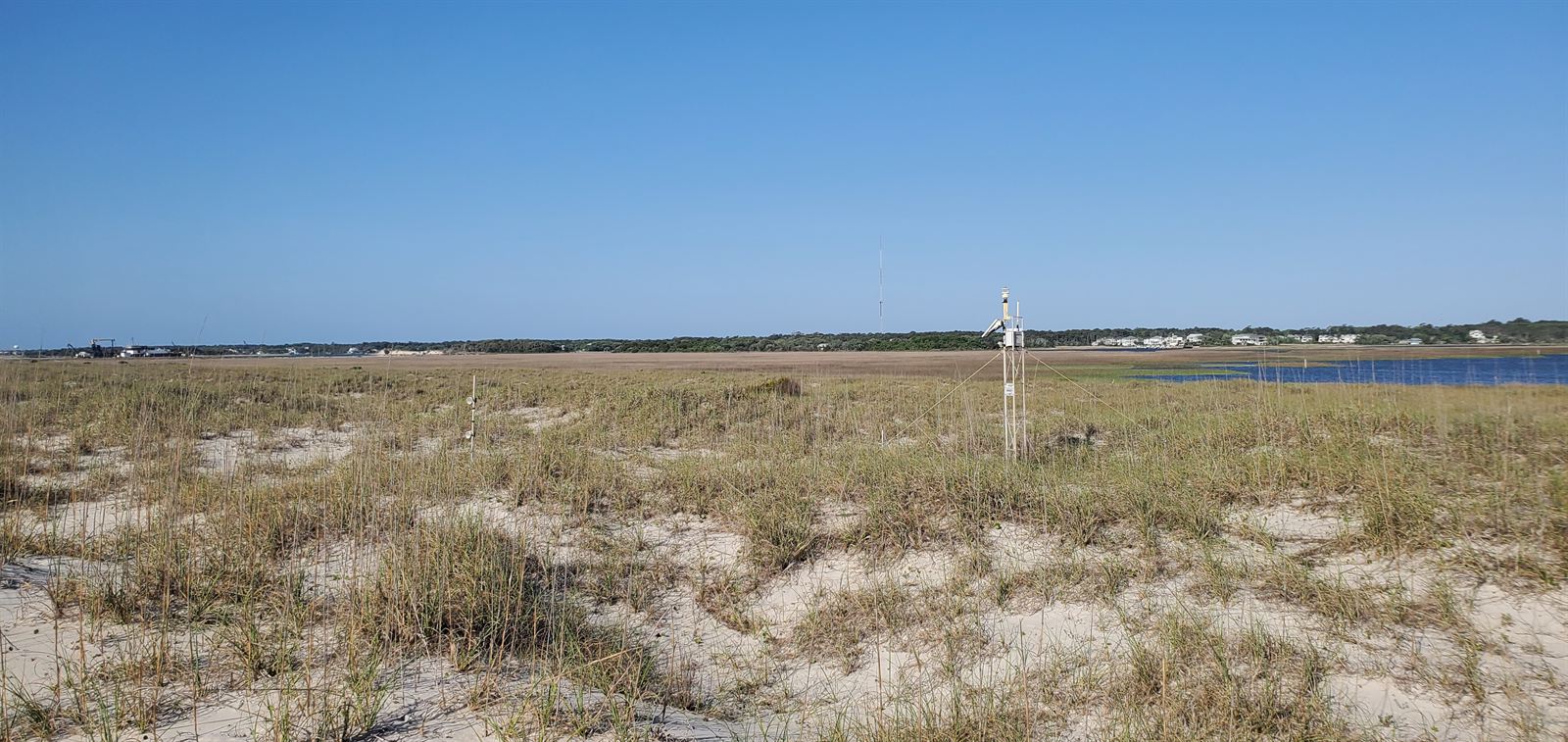
Aerial view of Masonboro's habitats: ocean beach, dunes, and salt marsh threaded with tidal creeks
Wildlife

Who's home.

Masonboro's real residents nest in the sand, hunt the tide line and cruise the waterway. Here's who they are, when they're around, and how to watch without getting in their way.

When to see what

The island's calendar.

Roughly when each one is around, or nesting. This month is outlined.

Animal JFMAMJ JASOND
Sea turtle nests
Shorebird nesting
Blacktip sharks
Dolphins
Ghost crabs

Around or nesting. Turtle months follow the reserve's monitoring season; shorebird months follow the usual NC beach-nesting season. Blacktip timing shifts with water temperature. Ghost crabs are out all year but busiest on warm nights.

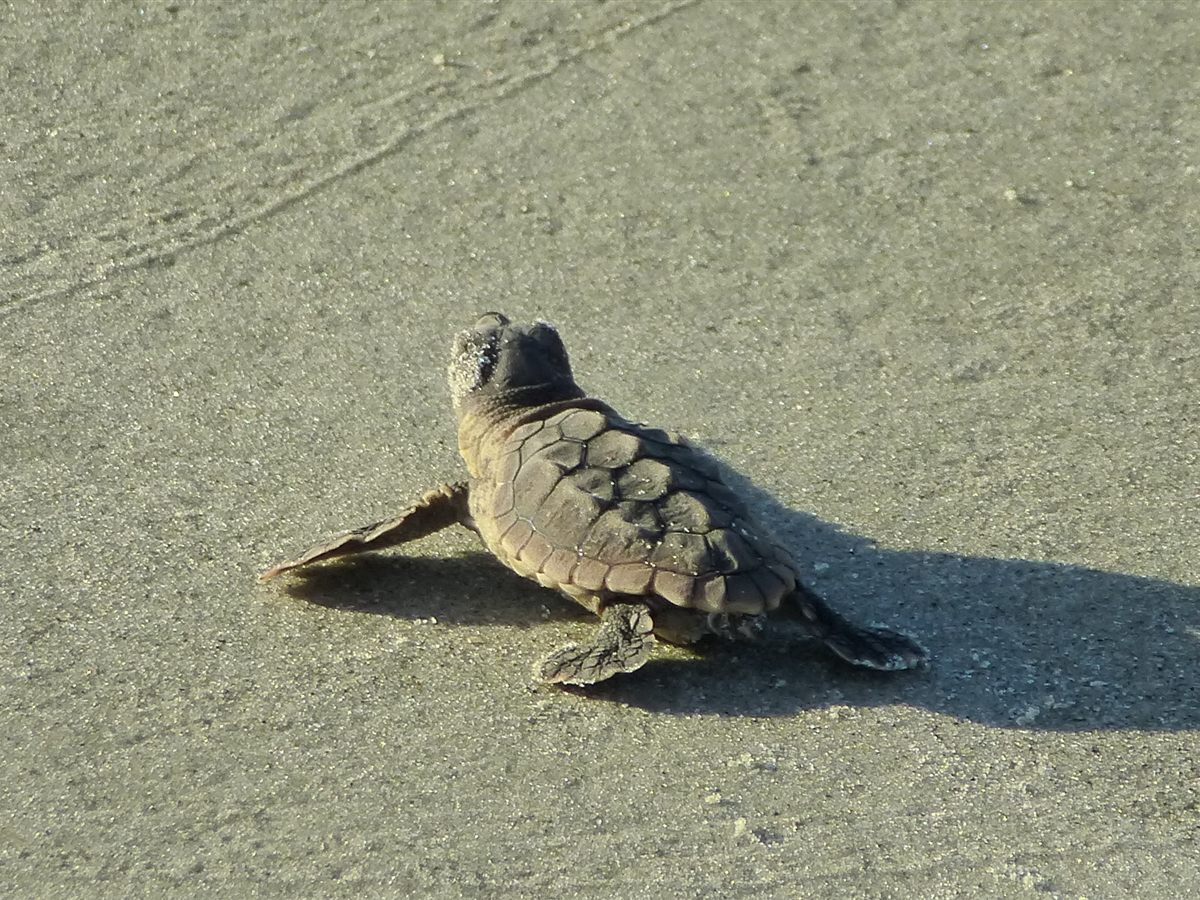
Loggerhead sea turtle hatchling crawling across the sand toward the ocean
Sea turtles · May–October

Loggerheads (and the odd green)

Federally threatened

Loggerhead and green sea turtles both nest on Masonboro's ocean beach. Reserve and Wildlife Resources Commission staff walk all 8.4 miles of it looking for nests from May 1 to October 31, then stake and protect them.

42nests in 2024
40loggerhead
2green
45false crawls

2024 season, NC Coastal Reserve. A false crawl is a turtle that came ashore and went back without nesting. Five nests were lost to a tropical storm that September.

Give them room: stay clear of staked nests, use red light on the beach at night in summer (white light pulls hatchlings the wrong way), and fill in any holes you dig before you leave.
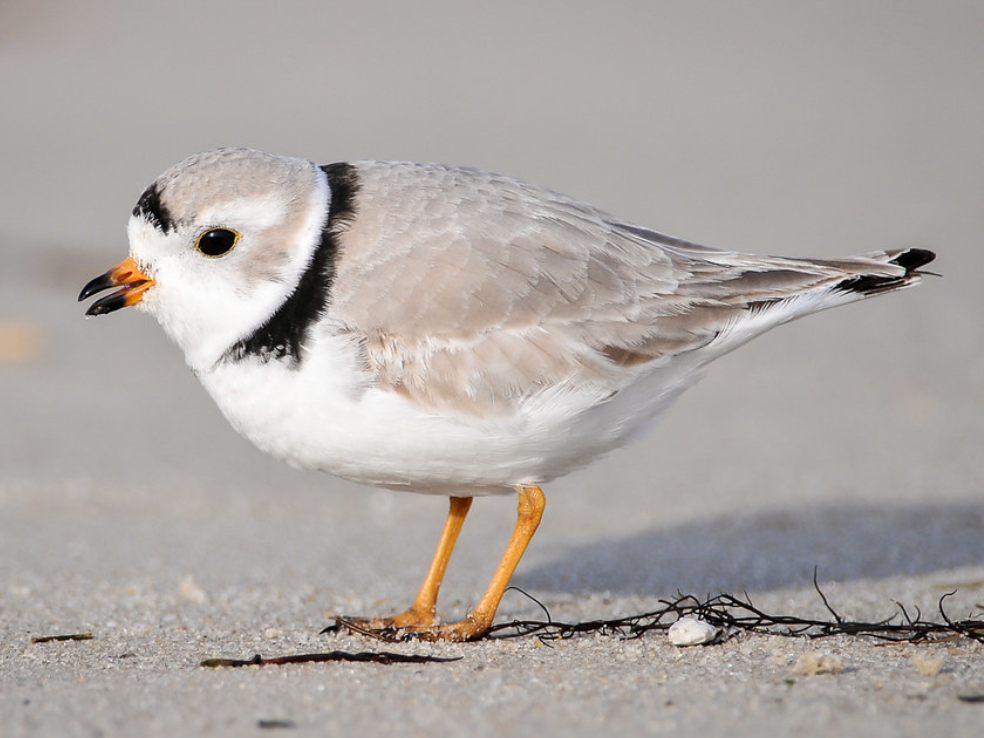
Piping plover standing on open sand
Shorebirds · nesting April–August

The ones nesting at your feet

Species of concern

American oystercatchers, black skimmers, Wilson's plovers and least terns all nest right on the open sand. Their eggs look exactly like the beach, which is the whole problem. On NC beaches, nesting season generally runs April 1 to August 31, and nesting areas get posted with signs and string.

Give them room: respect posted nesting areas. If a bird is calling, circling or dive-bombing you, you're too close, so back off the way you came. Dogs stay on a leash.

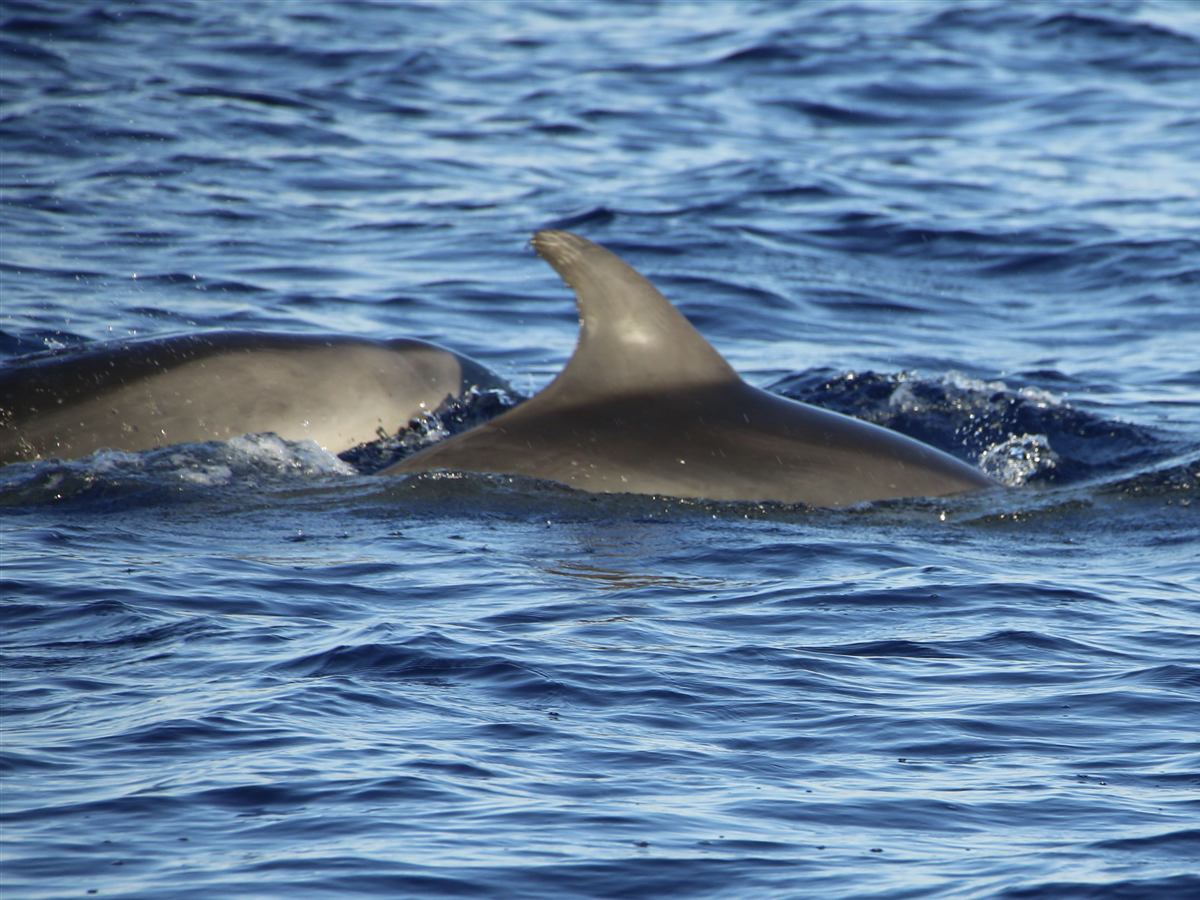
Two dolphins surfacing side by side
Dolphins · most of the year

Bottlenose dolphins

Common bottlenose dolphins work the waterway, the creeks and the inlets, often close enough to hear them breathe from a kayak.

Give them room: NOAA asks people to stay at least 50 yards away, and feeding or chasing wild dolphins is against federal law. If they come to you, stop paddling and let them pass.

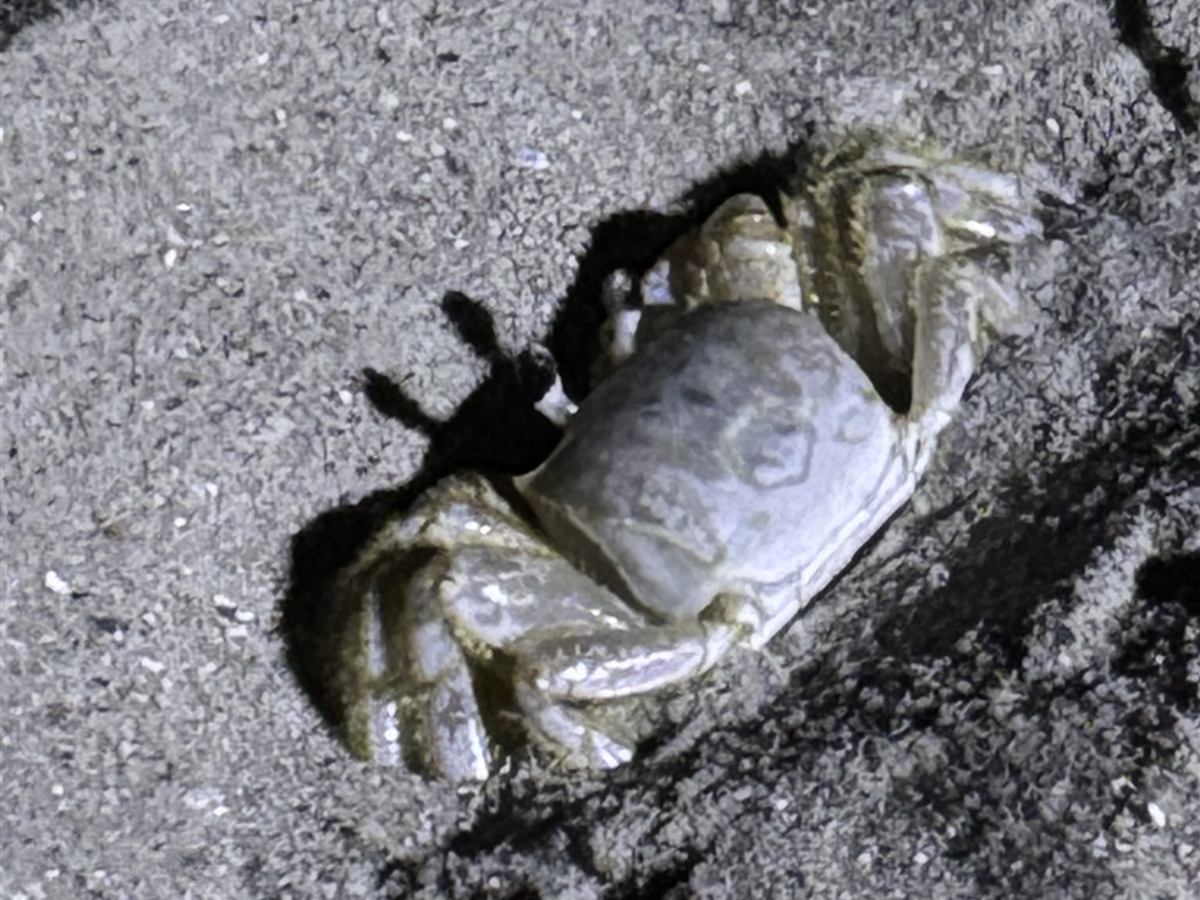
Ghost crab at the mouth of its burrow
Ghost crabs · after dark

The night shift

Those neat round holes in the upper beach are ghost crab burrows. After sunset the crabs come out and sprint along the sand faster than seems reasonable. Sit still with a red light and they'll go about their business around you.

Give them room: watch, don't catch, and don't pitch your tent on a field of burrows.

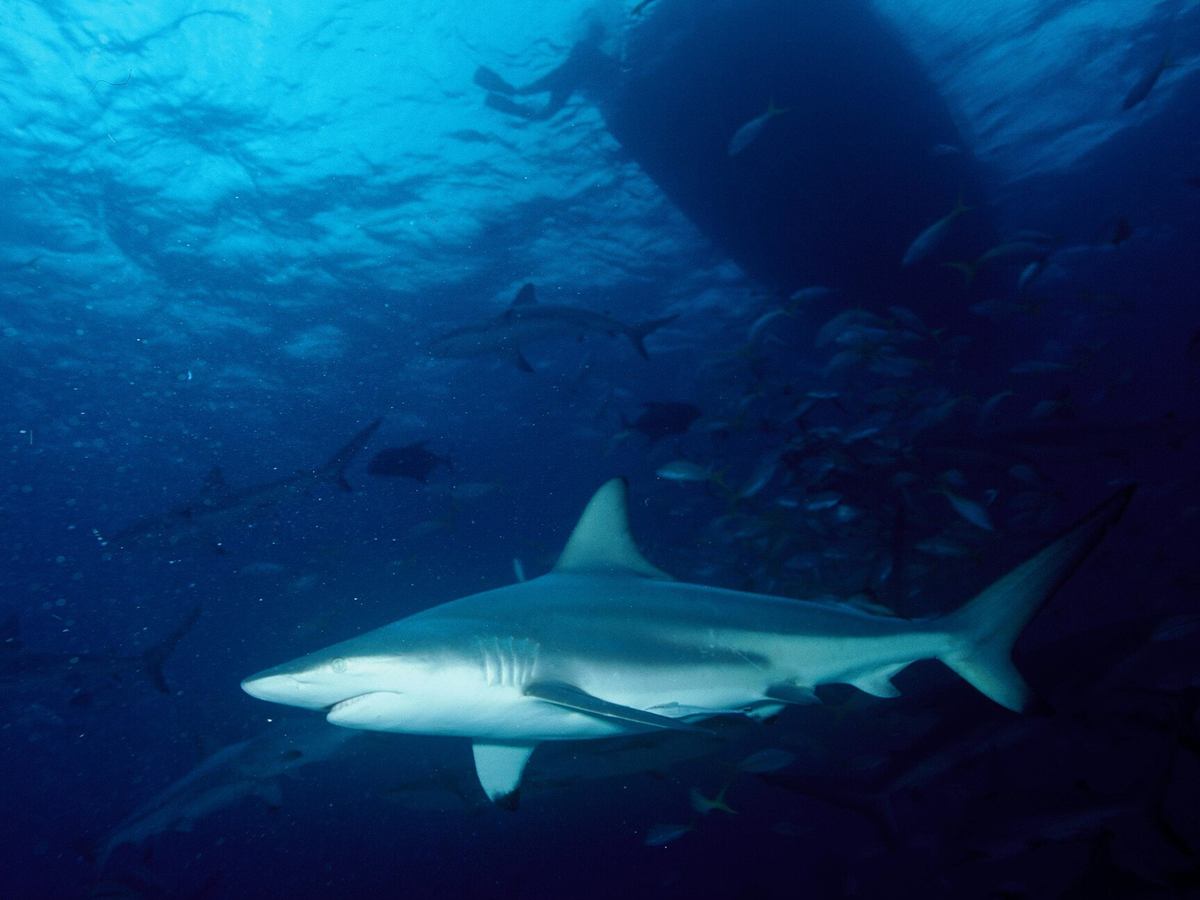
Blacktip shark swimming in open water, black-tipped fins visible
Blacktip sharks · roughly May–October

The blacktip run

Blacktips winter off Florida and push north as the water warms, reaching the Carolinas by late spring. They spend the summer along this coast and head back south in fall once the water cools to around 70°F. Warmer seas have been stretching that season.

Incidents are rare. The usual advice applies: don't swim at dawn or dusk, near bait schools or where people are fishing.

We're writing up the full story. Sign up and we'll tell you when they're back.

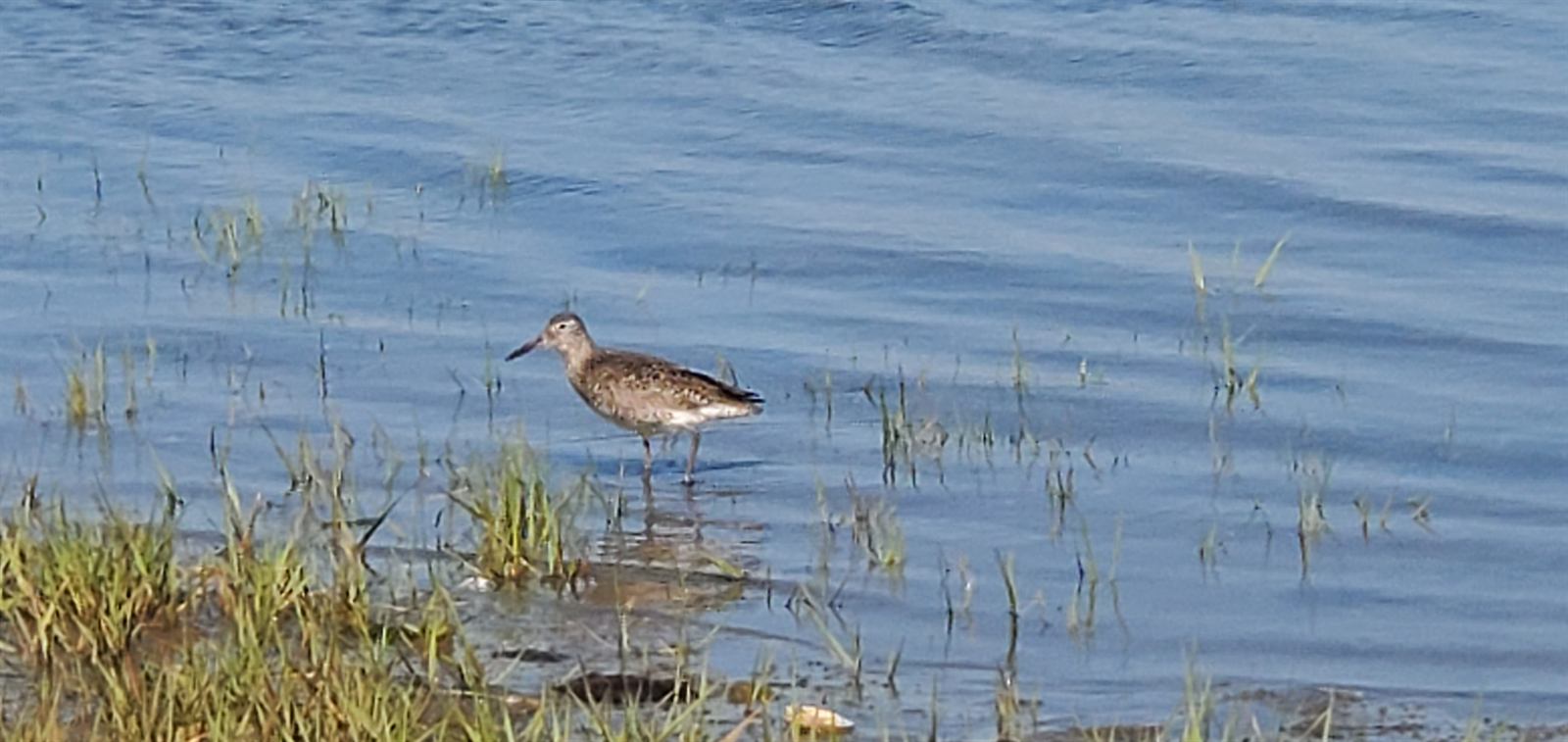
A willet wading in shallow water at the marsh edge
The marsh & sound · all year

The back side of the island

The sound side is a nursery. Spot, mullet, summer flounder, pompano, menhaden and bluefish all grow up in its creeks and grass. That's why it's busy with fishing birds: willets and other shorebirds working the mud at the marsh edge, herons and egrets stalking the shallows, and pelicans diving the channel.

Even the mud is protected. Two worms that live in the sound's sediments are on the state's watch list.

Give it room: land on sand, not marsh grass or oyster beds. Both are fragile and slow to come back.

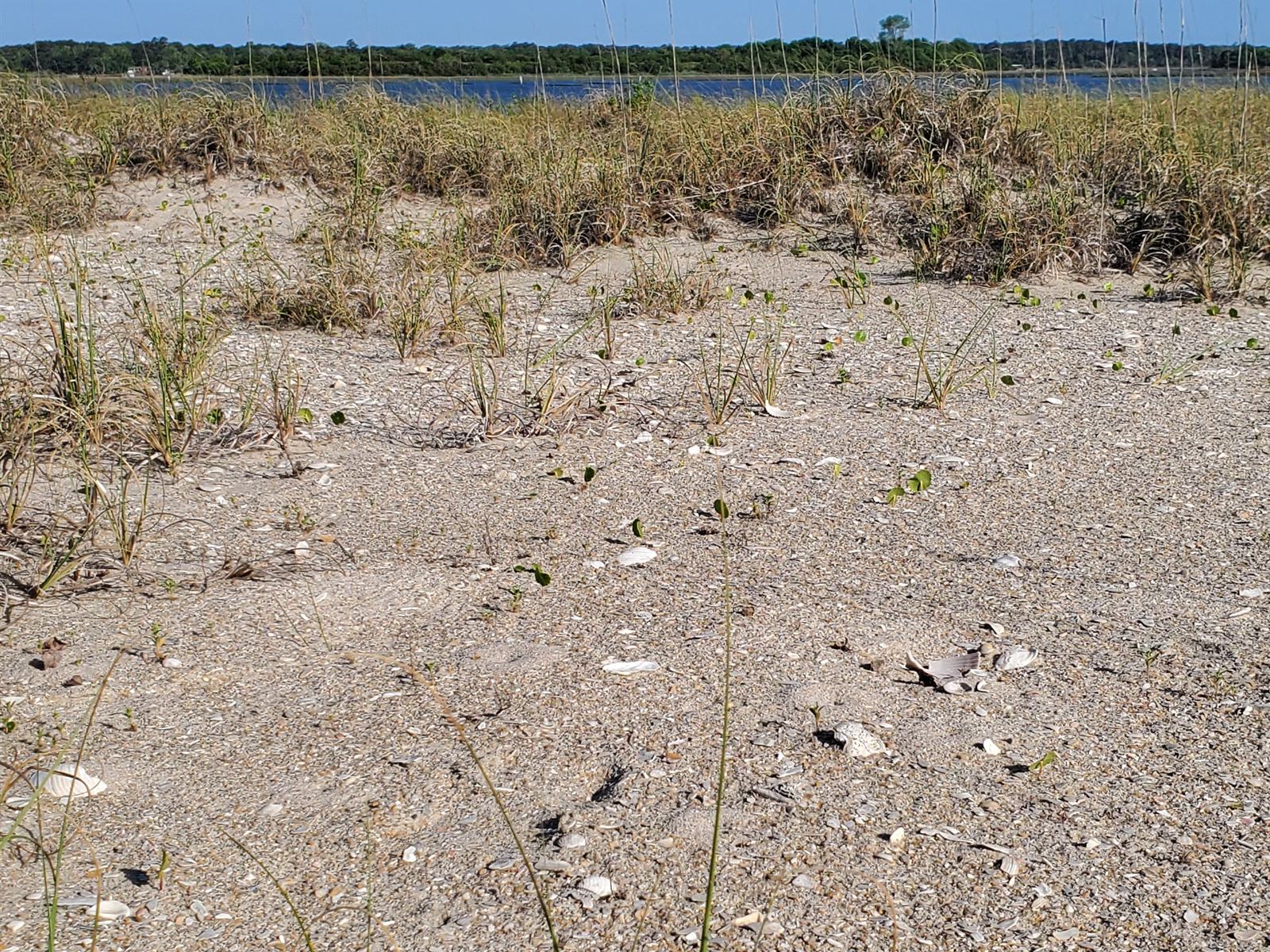
Sparse young plants and shells on open sand at the foot of the dunes, the sound beyond
Not an animal, still protected

Seabeach amaranth

Federally threatened

A low, reddish-stemmed plant that grows on the foredunes, and one more reason the dunes are off-limits. If it looks like a little sprawl of green on bare sand at the base of a dune, step around it.

Found a stranded, injured or dead sea turtle? Don't move it or push it back in the water. Call the NC Sea Turtle Stranding Network at (252) 241-7367.

Call the hotline
The plants

From the water's edge to the shrub line.

Most of Masonboro is marsh and tidal flats, and the plants change with every foot of height above the tide. Walk inland from the sound and you'll cross these four zones. Everything here is protected on the Reserve: look, photograph, don't pick.

Low marsh · flooded every tide

Smooth cordgrass Spartina alterniflora

The most common salt marsh plant and the backbone of the sound side. It grows in meadows 1 to 8 feet tall where the tide covers it twice a day, green in summer and golden-brown by fall. Periwinkle snails climb its stalks to stay above the water, and diamondback terrapins come through to eat them.

Photo wanted

Glasswort Salicornia

Low, fleshy green stems that look like pipe cleaners, mixed in with the cordgrass or out on the mud flats. Also called pickleweed. One kind turns pink in the fall.

Photo wanted

High marsh · only the highest tides

Black needlerush Juncus roemerianus

Stiff, needle-like blades 3 to 5 feet tall, dark green to gray with black tips. Where the marsh rises a little, it takes over from cordgrass. The tips are sharp, so wear shoes.

Photo wanted

Salt meadow hay Spartina patens

A wiry grass 1 to 3 feet tall that forms dense, matted carpets just above the normal high tide line.

Photo wanted

Sea ox-eye Borrichia frutescens

A low shrub with thick, fleshy gray-green leaves and yellow, daisy-like flowers in summer.

Photo wanted

Sea lavender Limonium

Grows along the upper edge of the marsh. Long, skinny leaves and branching stems covered in tiny purplish-white flowers in summer and fall.

Photo wanted

Dunes · built by wind, held by roots

Sea oats Uniola paniculata

The tall grass with drooping seed heads along the dune tops. Sea oats and American beach grass trap blowing sand and hold the dunes together with their roots, which is why you cross the dunes only on paths already there.

Photo wanted

Seabeach amaranth Amaranthus pumilus

The federally threatened one, low and reddish-stemmed at the foot of the dunes. More above.

Shrub thicket · behind the dunes

Wax myrtle, yaupon holly, live oak

On the higher, more sheltered ground behind the dunes, these grow into dense thickets, trimmed low and flat-topped by salt spray off the ocean.

Photo wanted

Have a good photo of one of these? Tap Photo wanted to send it. The best ones go on this page with your name on them.

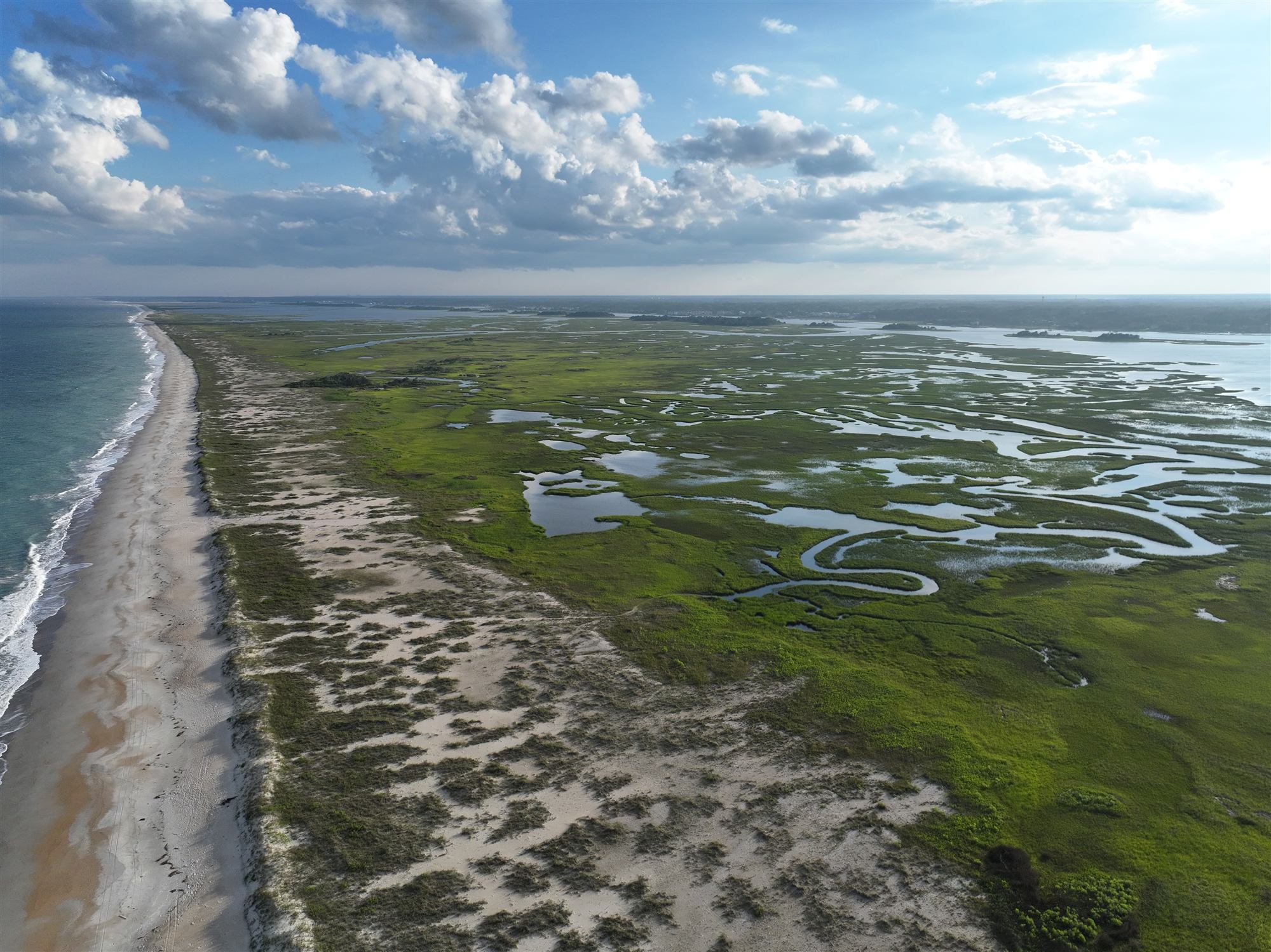
Dune grass and sea oats on the south end, with the sound and the mainland behind
From the dune grass back to the sound, on the south end. The pole is a UNCW weather station.
The blacktip alert

We'll tell you when they're back.

Occasional emails when the island's worth seeing: the blacktip run, turtle hatching season, king tides, and good crossing windows. No spam.